Philosophy Course Spotlights
PHI 393: Philosophy of Film
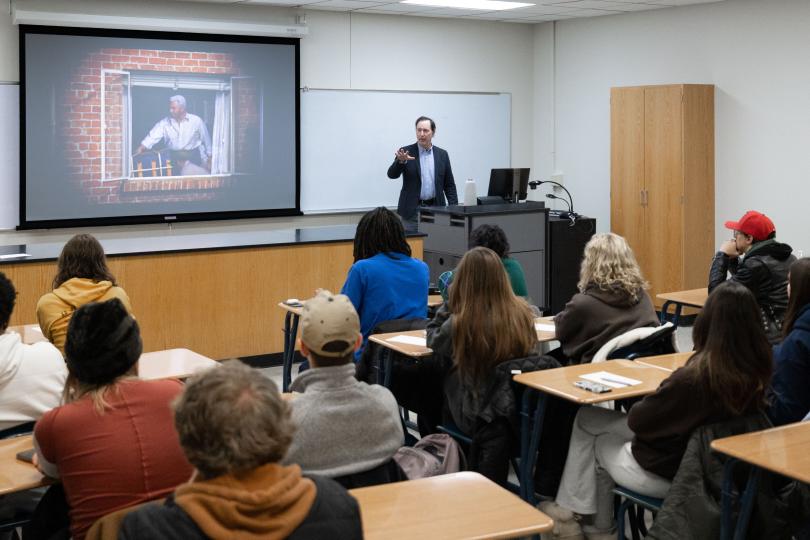
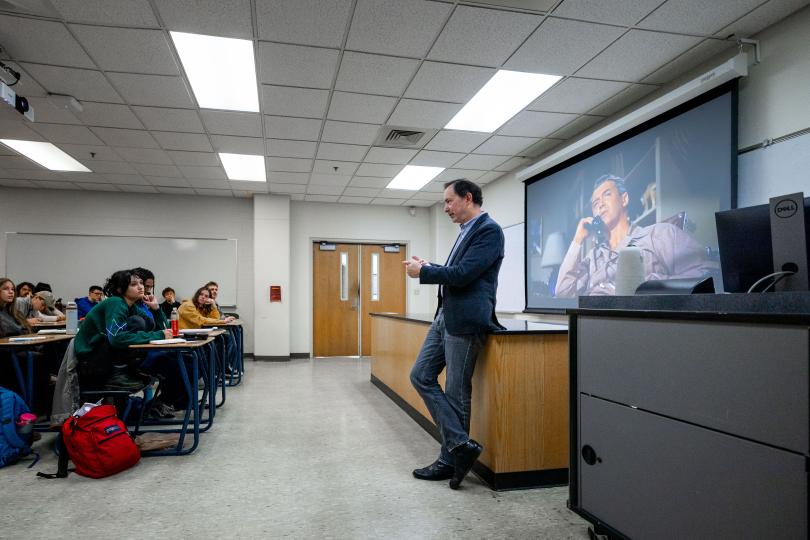
Beyond the screen lies the theory. Instead of using philosophy to explain film, we'll use film to rewrite philosophy. This course explores the aesthetics of cinema not as a set of static rules, but as an ever-evolving discourse that creates its own language and critiques its own history. From the formal constraints of montage to the possibilities of the depth-of-field shot, you will learn to analyze how films generate new theoretical understandings at every turn. A practical filmmaking component will put your theories to the test in a collaborative, hands-on workshop.
PHI 136: Introduction to the Environmental Humanities
In response to human activity, Nature has begun to impose new realities upon us. You don’t have to look far for examples: rising waters, soaring temperatures, natural disasters, and deadly pandemics. As individuals and a global human community, we have to confront this new world, but how can we do so without repeating the mistakes of the past? When we think about solutions to the environmental problems we face, we likely think of scientific and technological fixes. While environmental sciences can tell us how to create solutions to these ongoing and emerging crises, Environmental Humanities helps us to understand how we got here and to imagine what that future may look like. In Introduction to Environmental Humanities (PHI 136) you will learn about this emerging field. Together we will examine our historical relationship to the earth and consider possible answers to urgent questions about how to live in relationship to nature and what our role is in shaping our environmental future.
PHI 375: Philosophy of Cognitive Science
If AI can play chess, paint portraits, and give us advice, does it have a mind or just mimic one? What is intelligence—and how do we determine what has it? Are we just biological computers or something more? This introduction to the philosophy of cognitive science asks how thought occurs—whether in neurons or in code—and considers what our answers reveal about the nature of mind and, ultimately, ourselves.
Cognitive Science Minor is available at UK!
PHI 205: Food Ethics
Is it ethical to eat animals? Plants? Other humans? In food ethics, we ask fundamental questions about daily food practices. These practices are deeply ingrained in us to the point they typically go unquestioned. This course questions our beliefs about food, including what food is and ought to be, by showing how food’s ethical problems may involve more than meets the eye, or more than what lies on your plate.
PHI 193: Circus and Philosophy
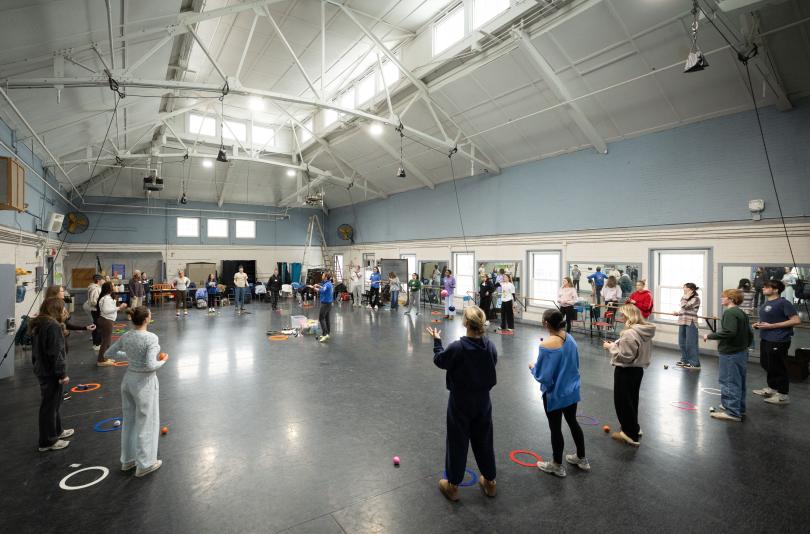
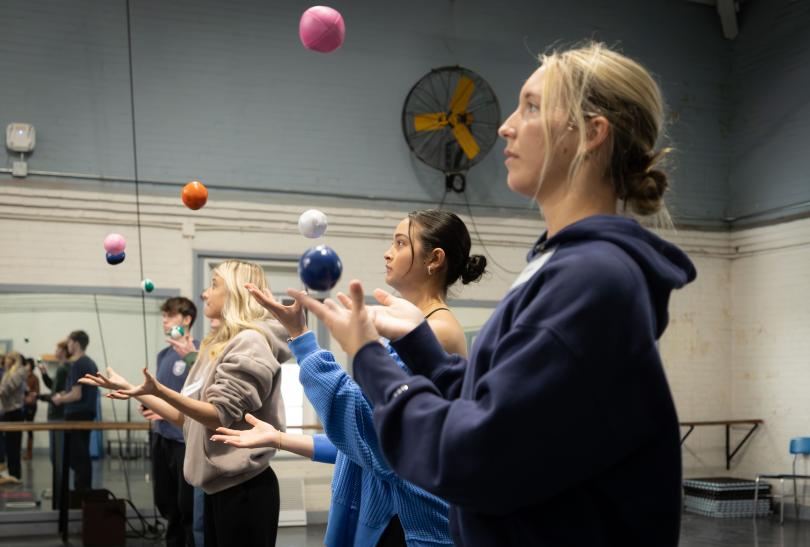
Circus and Philosophy is FULLY participatory. Students don’t just learn about the circus, they learn how to circus. Students learn specific circus skills, such as aerial arts, juggling, or acro-balancing, while investigating various philosophical topics in metaphysics, epistemology, ethics, aesthetics, and more.
How is juggling like being a good person? What can the trapeze tell us about truth? What does circus have to do with the self? This innovative course combines physical movement, performance, and the circus arts with philosophical study. Intended for those new to both circus and philosophy, this course uses circus as a springboard for philosophical inquiry. Don’t know how to juggle? Don’t know who Aristotle is or what he said? No worries. No background in either circus arts or philosophy is required. A sense of wonder, a healthy curiosity about the world, and an appetite for adventure are strongly encouraged.
This is an incredibly fun, worthwhile class. You can read more all about it here.
Here’s a nice feature on KET’s Kentucky Life (2023) about circus and philosophy.
PHI 193: Circus and Philosophy will next be offered Spring 2028.